

Following a clear puppy vaccination schedule helps you protect your new dog during their most vulnerable months. If you’re unsure when to vaccinate a puppy, knowing the usual timing and what happens at each visit makes the whole process far less stressful.
Below is a practical guide to what your vet will typically recommend, how to prepare for each appointment, and what to do between puppy shots.
Why vaccinations matter (and what they cover)
Early vaccines train your puppy’s immune system to recognise and fight serious, highly contagious diseases. Your vet will usually recommend a core set for all puppies, with optional add-ons based on lifestyle (for example, frequent contact with other dogs).
Vaccines don’t replace good hygiene and sensible exposure. Think of them as one layer in a wider health plan that also includes parasite prevention, nutrition, and routine check-ups.
If you’ve heard people talk about “puppy shots” as though they’re one-and-done, it’s usually a series. That series is spaced out to give protection as maternal antibodies fade and your puppy’s own immune response strengthens.
Typical timing: what happens at each age
Your vet will tailor your puppy vaccination schedule to your puppy’s age, health, and history. That said, most puppies start vaccines when they’re still very young and continue with boosters through the early months.
- First visit (early puppyhood): A health check, first vaccine dose(s), discussion of diet, toilet training, and parasite control. If you’re adopting, bring any paperwork so your vet can confirm what’s already been given.
- Second visit (a few weeks later): Next dose(s) to build immunity. Many owners also schedule microchipping checks and a weigh-in to keep feeding and parasite prevention on track.
- Final puppy series visit (another few weeks later): Often the last in the initial series. This is when many puppies are close to being cleared for broader social contact, depending on your vet’s guidance.
- First annual booster: After the puppy series is complete, your vet will usually plan a booster schedule to maintain protection.
If you’re trying to work out when to vaccinate a puppy you’ve just brought home, the key is to start from verified history, not guesses. A missed appointment can create a gap in protection, so book the next visit before you leave the clinic.
Quick tip: Put vaccine dates, booster reminders, and parasite-prevention dates in the same calendar. Pair them with a monthly “weigh and measure” check so you stay aligned with your puppy’s growth.
What to expect at the appointment
Most vaccine visits are quick, but they’re more than just an injection. Your vet or nurse will typically do a full body check (eyes, ears, skin, heart, lungs, joints) and ask about appetite, stools, energy, and behaviour.
Expect a few questions about your puppy’s routine: where they sleep, whether they meet other dogs, and any travel or boarding plans. This is also a good time to ask about worming, flea and tick control, and heartworm prevention so your puppy’s protection plan is joined up.
After vaccination, mild sleepiness or a small, temporary lump at the injection site can occur. Keep the day calm, avoid intense exercise, and monitor your puppy. If anything seems more than mild or doesn’t improve, follow up promptly.
Between visits: socialising safely and daily care
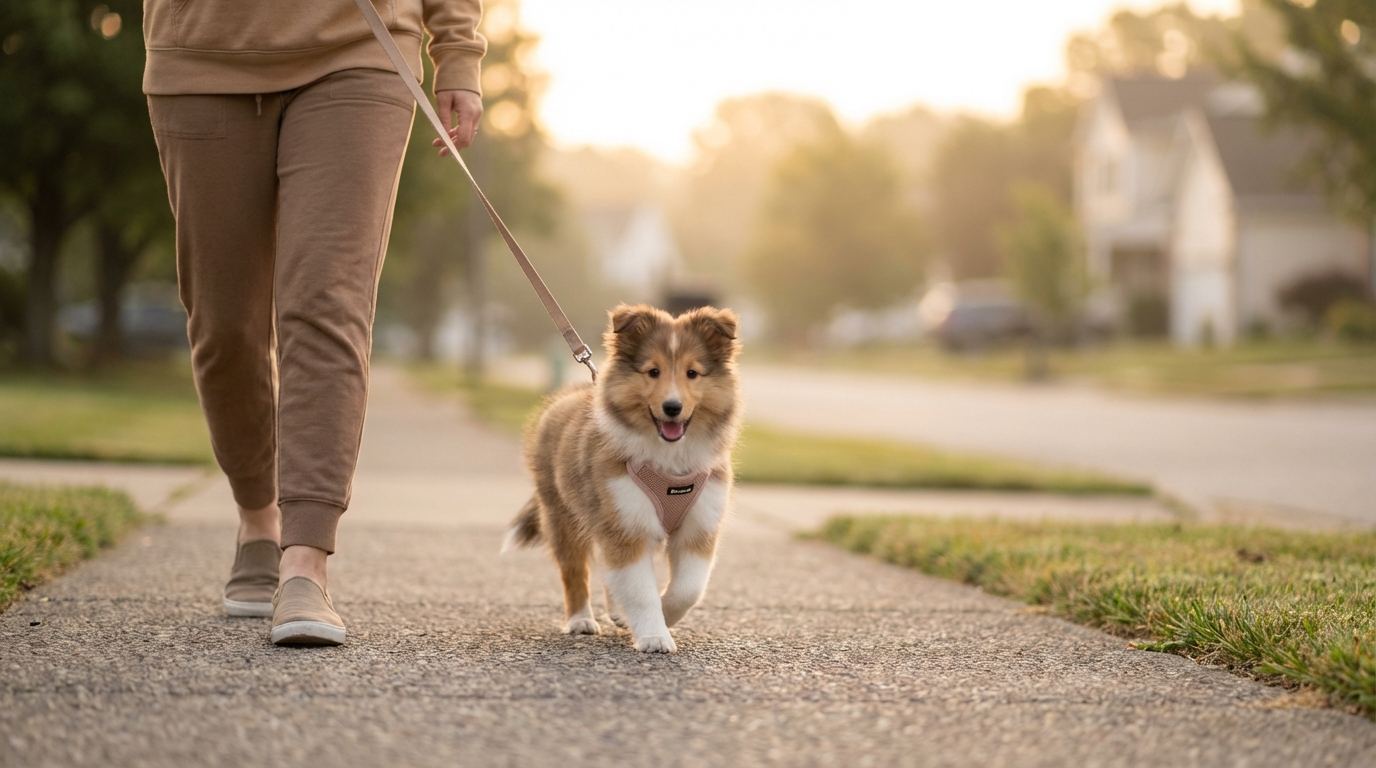
Socialisation can’t wait until puppyhood is nearly over, but it does need to be managed while protection is still building. Choose low-risk experiences: calm, healthy adult dogs you know, clean indoor spaces, and structured puppy classes that follow hygiene standards.
Daily care also matters. Clean water bowls, picking up faeces quickly, and avoiding high-traffic dog areas can reduce exposure while your puppy shots are still in progress.
Parasite prevention is the other big piece of the puzzle. Fleas, ticks, and worms can cause discomfort and health issues, and they can complicate recovery if your puppy is already run down. For everyday essentials like gentle grooming tools, puppy-safe accessories, and health basics, browse our puppy supplies range.
Costs, planning, and buying essentials
Budgeting is easier when you treat vaccines as a planned series rather than an unexpected expense. Costs vary by clinic and what’s included (health checks, additional tests, or optional vaccines), so ask for an estimate that covers the full initial series and the next booster.
It also helps to plan the weeks around each appointment. Some puppies are a bit tired afterwards, so schedule quieter days where possible and have the basics ready at home: a washable bed, training treats, enzyme cleaner for accidents, and a properly fitted collar or harness.
As your puppy grows, you’ll likely adjust your prevention plan based on weight and lifestyle. Stocking up ahead of time can keep you consistent and avoid missed doses. You can find a broad mix of day-to-day essentials in our puppy supplies section, including items that support a calmer vaccine-day routine (like lick mats and comfort toys).
Frequently Asked Questions
Can my puppy go for walks before the full vaccine series is finished?
Many owners start with low-risk outings rather than busy dog areas, focusing on safe socialisation and confidence-building. Choose clean routes, avoid unknown dog contact, and carry your puppy in higher-traffic places when needed.
What if my puppy’s vaccine appointment is late?
Don’t restart anything on your own—rebook as soon as you can and keep exposure low until you’ve had guidance. A delay can reduce protection, so your vet may adjust timing to close any gaps.
Do indoor puppies still need parasite prevention?
Yes, because parasites can still be brought in on clothing, shoes, or other pets, and some are transmitted in ways that don’t require your puppy to roam outdoors. A consistent plan helps prevent infestations and supports overall health.
Ready to set your puppy up for success? Explore our puppy supplies to support vaccination day and beyond, and chat to your vet if you need help tailoring timing to your puppy’s history and lifestyle.