

Dog rocks are often bought to help reduce lawn burn patches caused by dog wee, but the real question is whether they’re good value compared with simpler alternatives. This Dog Rocks review breaks down what you get, what to expect, and when other options may make more sense for your budget. If you’re weighing up Dog Rocks products against everyday habits, start here.
What are Dog Rocks and what do they claim to do?
Dog rocks are natural rocks placed in your dog’s water bowl. The idea is that, over time, they may help reduce the yellowing or “burn” marks on grass where urine lands.
Most people consider Dog Rocks products because they want a low-effort option: put the rocks in water, refresh them as directed, and carry on with normal routines. It’s a convenience-led purchase, not a training tool, and results can vary depending on your dog and yard setup.
If you’re browsing options, you can view the range of Dog Rocks products to compare sizes and multipacks.
Cost and value: what you’re really paying for
Value isn’t just the shelf price; it’s cost per month, the time you’ll spend managing the issue, and how predictable the results are. Dog rocks tend to be priced as a “set-and-forget” accessory, so you’re paying for convenience and simplicity.
When judging value, ask three practical questions. How often will you need to replace them? How many water bowls do you use (indoors and outdoors)? And do you need one set per dog?
- Best-case value: you use one main bowl, replace on schedule, and you see a noticeable reduction in lawn discolouration.
- Worst-case value: you juggle multiple bowls, forget to swap them out, or don’t see much improvement—making the cost feel hard to justify.
A balanced Dog Rocks review should also note what they don’t do: they’re not a guaranteed fix for every yard, and they won’t replace day-to-day hygiene habits around toileting zones.
Practical alternatives that may cost less
Many alternatives focus on dilution, direction, or damage control. They’re often cheaper, but they can require consistency or a small change to routine.
- Water flush after wees: pour a watering can over the spot soon after your dog urinates to dilute the concentration. This can be very cost-effective, but it’s effort-heavy.
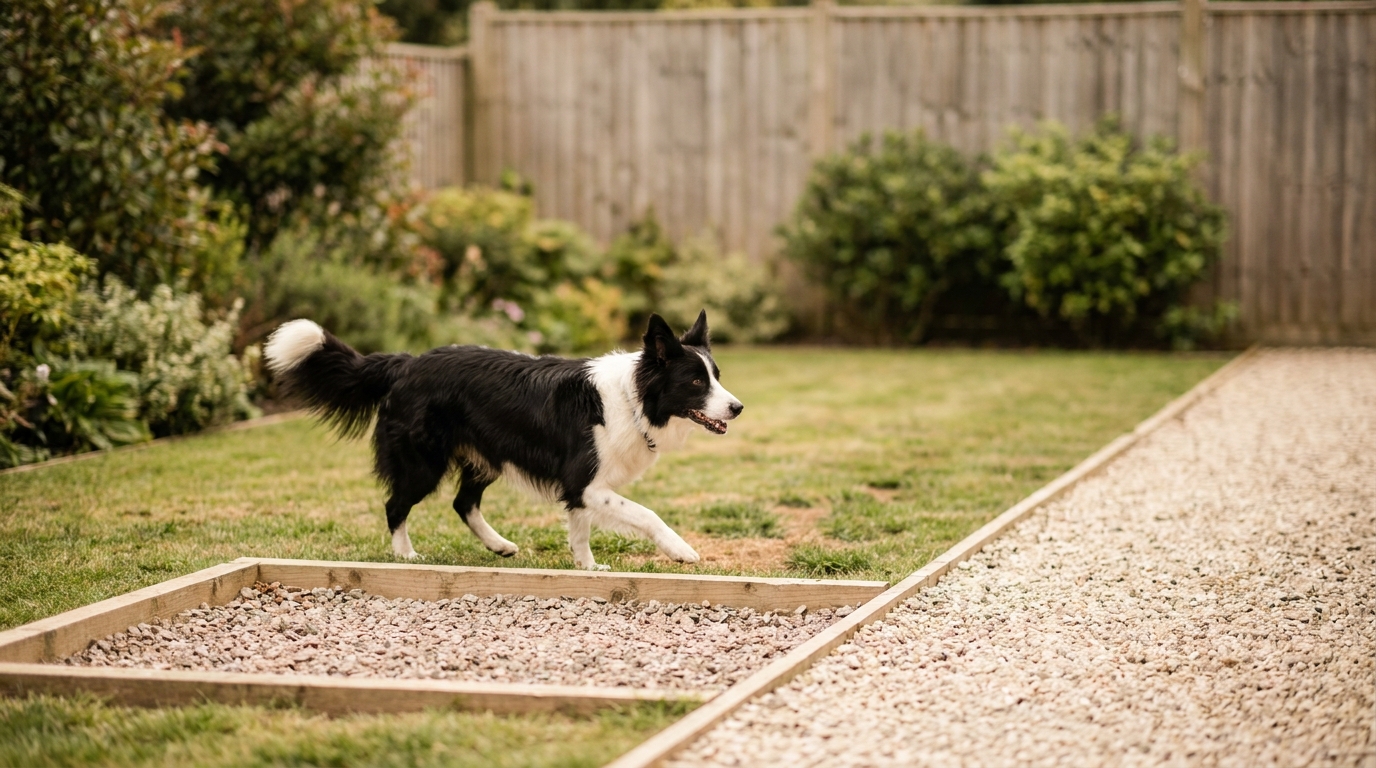
- Designated toilet area: train your dog to use one corner, gravel run, or a specific surface. Upfront setup can cost more, but it localises wear and makes maintenance easier.
- Adjust lawn access: restrict access during times you can’t supervise, then reward toileting in the preferred zone. This costs little, but needs patience.
- Improve hydration: encourage drinking with clean bowls, fresh water, and multiple stations. Better hydration can help naturally dilute urine, but results vary.
Quick tip: If you’re trialling any approach, take a few photos of the same lawn area weekly. You’ll spot real change faster than relying on memory.
Where dog rocks can win is ease: no watering can routine, no training plan, no yard changes. Where alternatives can win is price: many are nearly free if you’re already willing to change habits.
Who Dog Rocks suit (and who should skip them)
Dog rocks are best suited to owners who want a low-maintenance attempt before reshaping their yard routine. If you’re time-poor and happy to pay for convenience, they can be a sensible trial.
They may be less appealing if you’re already actively training a toilet zone, or if you have multiple bowls and multiple dogs—because the “simple” option can become fiddly and more expensive over time.
- Good fit: single dog, one main water bowl, consistent routines, you want an easy first step.
- Consider alternatives first: large household, multiple bowls, you prefer predictable outcomes, you don’t mind a bit of daily effort.
If you’re comparing options, it can help to decide what “better value” means for you: lowest cost, least effort, or most reliable impact. Different households will pick a different winner.
Buying checklist: choosing the best-value approach
Use this checklist to decide whether Dog Rocks products or alternatives are likely to be better value in your home.
- Set a trial period: choose a clear timeframe and stick to one approach during the test so you can judge fairly.
- Count your bowls: if you rotate between several bowls, plan how you’ll manage them (or simplify to one main station).
- Pick a measurable goal: fewer yellow patches, smaller patches, or keeping damage confined to one area.
- Choose your “effort budget”: if you won’t consistently water down spots, a convenience product may be better value even if it costs more.
- Buy sensibly: if you’re trying Dog Rocks for the first time, start with a single pack rather than committing to multiples.
For shoppers ready to compare formats and availability, browse Dog Rocks and pick the option that matches your bowl setup and replacement schedule.
Frequently Asked Questions
How long does it take to see results?
It varies, but it’s best to allow several weeks to judge any change because lawn wear can lag behind your dog’s daily routine. Take weekly photos of the same area to track improvements more accurately.
Do Dog Rocks replace training a toilet area?
No. They’re a convenience option you add to your dog’s water; toilet training and managing where your dog urinates is still the most direct way to control lawn damage.
Are Dog Rocks a better value than watering down urine spots?
Watering down spots is often cheaper, but it demands consistent effort and timing. Dog rocks may offer better value if you prefer a low-effort routine and are comfortable with variable outcomes.
If you want the simplest way to try the convenience route, explore Dog Rocks products and choose a pack size that suits your water bowl setup. If you’re unsure which approach fits your dog and yard, chat to your vet for general guidance.